Services
-
Right message, right listener, right moment.

Dynamic audio: Audio that Adapts
A listener putting in her earphones by the Thames in London, with Big Ben behind her. Labels show the live data a dynamic ad reads: where she is, the time of day, her phone and the podcast she is listening to.
One idea,
Powered by
hundreds of versions, each made for the moment.
Hundreds of versions, crafted by humans who write every line of copy. Audio that changes with the weather, the time, the location or your own live data.
Read more about dynamic audio →2.3×
more effective than the non dynamic ad
Veritonic attribution study for Commercial Radio & Audio, 2025
41%
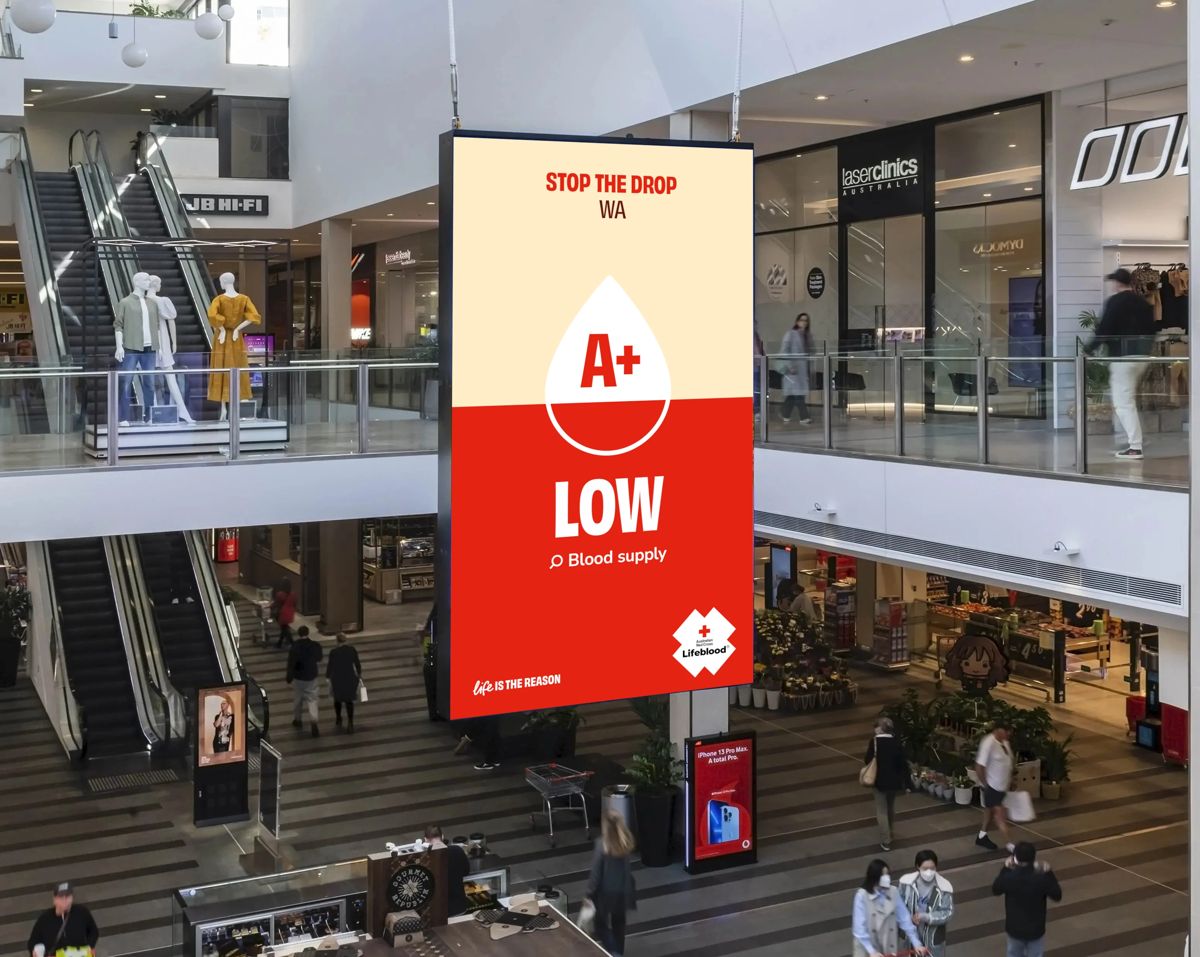
more likely to donate, from our dynamic Lifeblood campaign
NOVA Entertainment campaign research
Every signal your audio can adapt to
- Location: Point of interest, Post code, City, Region or state
- Time: Time of day, Day of week, Date, Date range
- Weather: Conditions, Temperature, Humidity, UV index, Pollen count
- Device: Device type, Operating system
- Content: Music genre, Podcast category, 1st party publisher data
- Distribution: Sequential, Weighted
- Open API: Sports fixtures, Event timings, Ticket levels, Flu vaccination rates, Blood stock levels
- Stock levels
- Store footfall
- Ticket sales
- Loyalty data
- Any API
Dynamic audio process
- Step 01
Pick the signals
Location, weather, time, device or your own live data feed.
- Step 02
Build the system
One creative idea, with every variation written and recorded.
- Step 03
Go live and measure
Ads assemble in real time and can be tested against a standard ad.
Dynamic audio projects




In depth
Dynamic audio, in practice.
Dynamic audio is advertising that is assembled in real time, so each listener hears a version built for them. A single creative idea is written and recorded as a set of interchangeable parts, and live data such as location, weather, time of day, the device someone is listening on, or a brand’s own feed (blood stock levels, the UV index, ticket sales) decides which parts play together.
A standard audio ad says the same thing to everyone. A dynamic audio ad knows it is seven in the morning, raining, in Brisbane, on a phone, in a true crime podcast, and says the thing that matters in that moment. This level of creative personalisation makes the audio ad work harder.
Dynamic audio is sometimes grouped with dynamic creative optimisation (DCO). The difference is that DCO usually means swapping pre made ads based on audience segments, while dynamic audio assembles the ad itself from live signals, so there is no limit to how many versions exist and no need to produce them all up front. The creative stays one idea, written for the ear, with every variation recorded by the same voice in the same session.
Our dynamic campaigns run on Audaptiv, a real time dynamic audio platform, across radio, streaming, podcasts and digital audio in Australia and worldwide. We test dynamic creative against a standard version and measure it with audio attribution. For Commercial Radio & Audio, the dynamic creative tested 2.3 times more effective.
Questions
Got questions?
We’ve got answers.
The questions brands and agencies ask us most about dynamic audio. If yours is not here, ask us directly.
Talk to us about dynamic audio →What is dynamic audio advertising?
Dynamic audio advertising is audio that is assembled in real time from live data, so each listener hears a version made for their situation. One idea is recorded as interchangeable parts, and signals such as location, weather, time of day, device, content and a brand’s own data feeds decide which parts play. It runs across radio, music streaming, podcasts and digital audio.
What is the difference between dynamic audio and DCO?
Dynamic creative optimisation (DCO) usually means choosing between a set of pre produced ads based on audience data. Dynamic audio assembles the ad itself from live signals at the moment it plays, so the number of possible versions is far higher and nothing has to be produced in advance. Dynamic audio can also react to real world data like weather, sport results or stock levels, not just audience segments.
What data can dynamic audio ads respond to?
Location (city, region, post code), time of day and day of week, date ranges, weather conditions, temperature, UV and pollen, the listener’s device and operating system, the music genre or podcast category they are listening to, publisher first party data, and any open API or brand feed, from sports fixtures to ticket availability and national blood stock levels.
How many versions does a dynamic audio campaign need?
As many as the idea calls for and no more. Some campaigns work beautifully with 16 versions (our Transport for NSW road safety work), others run into the hundreds (486 for Commercial Radio & Audio). Because versions are assembled from parts rather than produced individually, adding signals multiplies versions without multiplying production cost.
Where can dynamic audio ads run?
Across live radio streams, music streaming services, podcasts and digital audio publishers in Australia and internationally, wherever ads are served digitally. Our dynamic audio campaigns can also be delivered to FM and AM broadcasters.
Is dynamic audio more expensive than a standard audio ad?
Production is usually a little more than a single spot, because the script is written as a system and more lines are recorded, but far less than producing each version separately. There is a separate CPM rate for delivery, based on data signals.
How do you measure dynamic audio?
To test the creative, we run the dynamic campaign alongside a standard control version and use audio attribution (for example Veritonic) to compare the two on web visits, search, app activity and conversions.