
EARCONS
You've likely seen some of these tools, where you can paste in your URL or Instagram page and in under 30 seconds you have an audio ad.
Great! Or is it?
We decided to test one of these tools out, to show the difference between an audio ad created by AI and one crafted by real humans (remember them?)
Firstly, I want to caveat that AI has its uses in audio generation. It's really good for spinning up demos, especially for clients who haven't used audio before. Sometimes you need to lift the idea off the page so someone can hear it.
We also sometimes use AI audio generation in dynamic audio, where we need to instantly generate content that is constantly changing, like we did for News.com.au. We loved this campaign, way before AI was as mainstream as it is now.
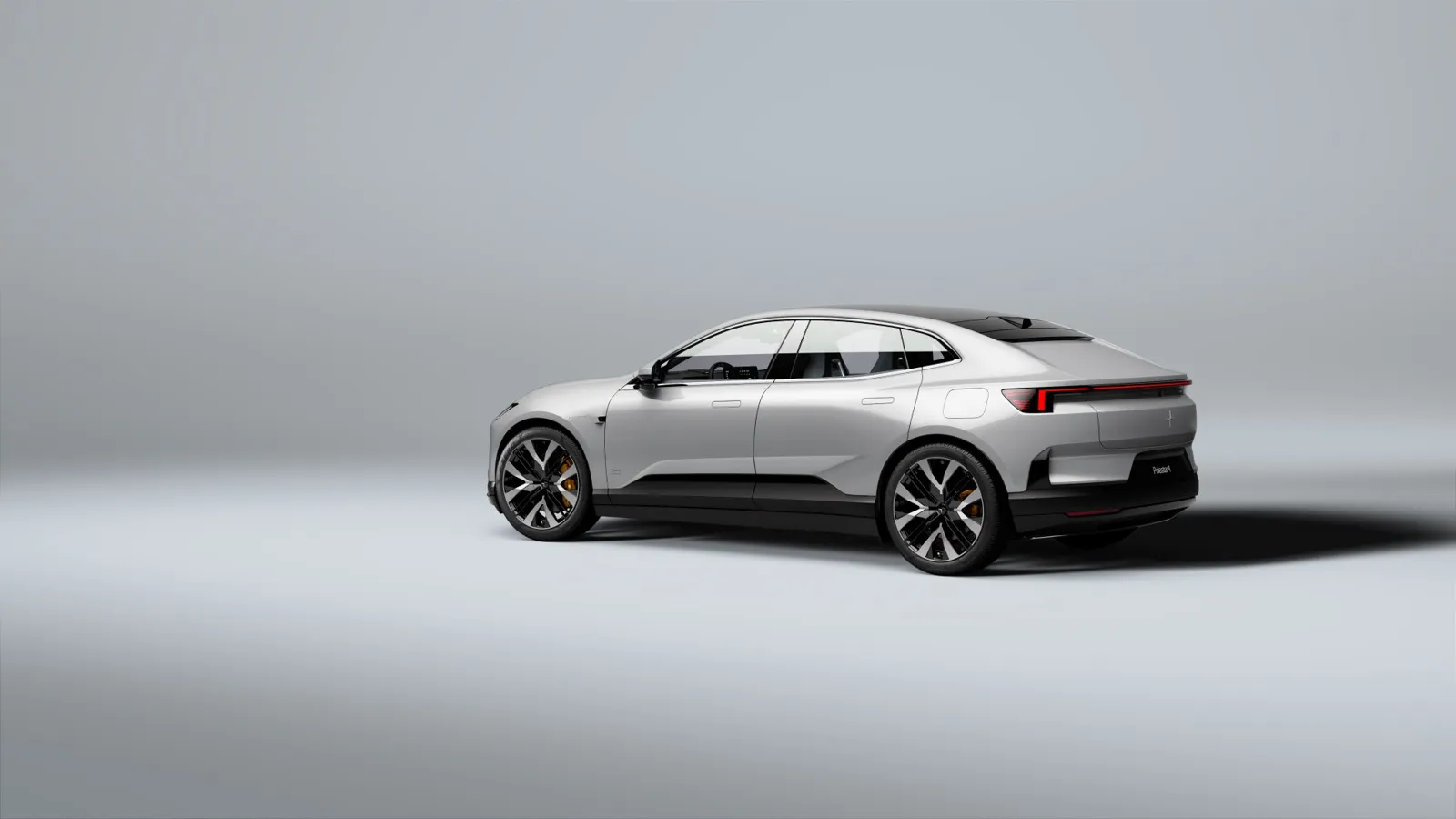
We wanted to use Polestar as our example, in particular an ad we created for them recently, which was about stepping into a Polestar for a test drive.
For the AI version, we pasted in the URL of Polestar's test drive page, as these AI generation tools ask you to do, and this was the result.
And here is the human version. It was fully researched, with a script written by a human, the casting of the perfect Scandinavian voice to match the brand, and music and sound design pored over by our audio producer. This one is best in headphones.
To be fair, the AI ad isn't awful. It has basically read the page and told you what's on it. But it's a bit more general, you could swap the name out and it would work for pretty much any electric car brand, it doesn't feel that premium or very Polestar at all.
The human version actually uses fewer words, which gives the voice, the music and the sound design room to do their job, which is something that AI simply can't do (yet). That's the part that makes it feel like Polestar.
Audio creative
Written, cast and produced by people.

You've probably come across the good, fast, cheap triangle. The idea is that you can only ever have two of the three.
AI ad generators are fast and cheap, so it's the good part that you lose. For a demo, or for dynamic audio, that's fine, because speed is the whole point. For a finished ad for a brand like Polestar, I don't think it is.
When you are working with premium brands, you need premium audio.
Which do you prefer?